
How does luck influence your casino experience?
The Concept of Luck in Gambling
Luck is a central theme in the gambling world, influencing players’ experiences and outcomes in various ways. In casinos, luck is often perceived as a mystical force that can change the tides at any moment, especially for those who play at 1win , where the potential for winning is always present. For instance, a player sitting at a slot machine can hit the jackpot with a single spin, altering their financial situation dramatically. This unpredictable element keeps players returning, as the hope of experiencing a lucky streak motivates their gameplay.
Moreover, understanding luck requires acknowledging its subjective nature. Many players rely on personal beliefs and superstitions to enhance their chances of winning. Rituals like wearing lucky clothing or using specific betting patterns may provide psychological comfort, enabling players to feel a sense of control over their fate. While the outcome ultimately depends on chance, these practices reflect a deep-seated belief that luck can be influenced or summoned.
Furthermore, the concept of luck varies widely among different cultures and societies. In some cultures, specific numbers or symbols are considered lucky or unlucky, impacting betting choices and strategies. These cultural dimensions add a fascinating layer to the gambling experience, shaping how individuals perceive and interact with games. Understanding these variations in the perception of luck can enrich one’s gaming experience, fostering a deeper appreciation for the diverse world of casinos.
The Role of Randomness in Casino Games
At the heart of every casino game lies randomness, a crucial factor that determines the role of luck in gambling. Games like roulette and slot machines operate on random number generators, ensuring that every outcome is independent of previous results. This randomness is what gives gambling its unpredictable edge, driving the excitement and potential for big wins. Players often experience the thrill of uncertainty, not knowing whether their next bet will be their lucky one.
For example, in table games such as blackjack, players can apply strategy to enhance their odds, yet luck remains a significant factor. The cards dealt are random, and no matter how experienced a player may be, their fate can hinge on a single card draw. This interplay between skill and luck creates a dynamic environment where participants must come to terms with the limits of their control.
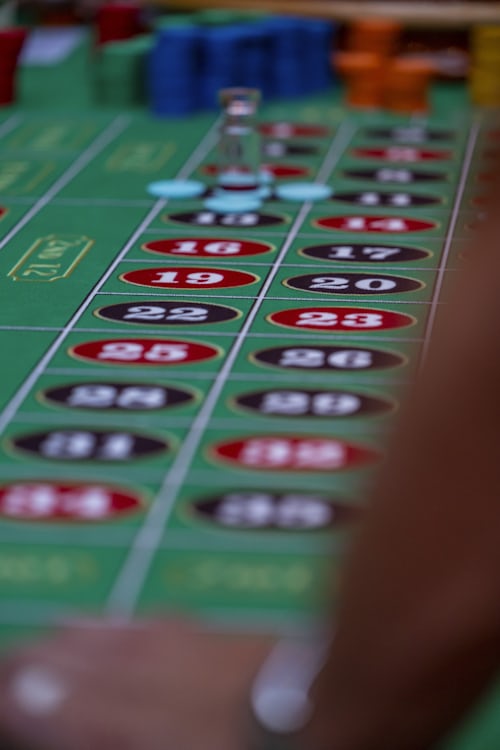
The randomness of outcomes also plays a vital role in shaping player behavior. With each spin of the wheel or roll of the dice, the anticipation heightens, and the potential for unexpected applause or disappointment looms large. This exhilarating aspect of randomness makes the casino experience uniquely engaging, as players revel in the hope that luck will smile upon them during their time at the gaming tables.
The Psychological Impact of Luck on Players
Luck can have profound psychological effects on casino players, influencing their mood, decisions, and overall gaming experience. The thrill of winning, often attributed to luck, can lead to a surge of excitement and joy, while a string of losses can elicit frustration and disappointment. This emotional rollercoaster is a significant part of what makes gambling appealing yet potentially perilous.
Additionally, the belief in luck affects how players approach their betting strategies. Some may adopt a more reckless style, betting high on what they perceive as lucky numbers or outcomes. Others might play it safe, cautious of the whims of fate. This diversity in psychology highlights the different ways individuals cope with the uncertainty inherent in gambling, shaping their behaviors and experiences in the casino environment.
Moreover, the psychological aspect of luck also touches on the phenomenon of ‘near misses.’ For instance, when a player is just one symbol away from a big jackpot, it can motivate them to continue playing, fueled by the belief that their luck is on the verge of changing. This intricate relationship between luck and psychology demonstrates how players navigate their experiences, often overlooking the statistical reality in favor of their hopeful instincts.
The Influence of Casino Design and Atmosphere on Luck Perception
The physical environment of a casino plays a significant role in shaping players’ perceptions of luck. The design elements, such as lighting, sound, and overall ambiance, create an exhilarating atmosphere that enhances the excitement surrounding the idea of luck. Bright lights flashing on the slot machines and the sounds of chimes and bells when someone wins contribute to a sensory-rich experience that keeps players engaged.
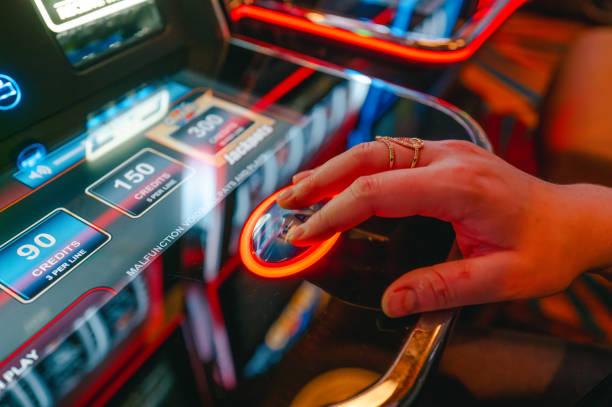
Moreover, casinos often use strategic layouts to encourage player interaction and engagement. Games are typically clustered together, allowing players to witness others’ wins and losses. This social aspect can amplify the belief in luck, as players see real-time evidence of successful outcomes, which may lead them to believe that they too can experience a fortunate moment. This phenomenon illustrates how the casino environment can manipulate perceptions of luck and encourage repeat play.
Furthermore, the use of rewards and promotions can enhance players’ beliefs in their lucky potential. Offering bonuses or free spins can create a sense of goodwill, making players feel as though they are favored by the casino. This, in turn, can influence their perception of luck, as they may associate the benefits of promotions with the likelihood of winning. Consequently, the interplay between casino design, social interaction, and perceptions of luck creates a compelling and immersive experience for visitors.
Your Ultimate Guide to Navigating Luck and Casinos
Understanding how luck influences your casino experience is essential for anyone looking to maximize their enjoyment and minimize potential pitfalls. Whether you are a novice or an experienced player, acknowledging the role of luck allows for a smoother journey through the thrilling world of gambling. It is crucial to manage expectations and recognize that luck may not always be on your side, and that’s part of the thrill.
Furthermore, by embracing the unpredictable nature of luck, players can cultivate a more enjoyable gaming experience. Instead of focusing solely on winning, finding joy in the thrill of the game itself can enhance the overall experience. This shift in mindset can lead to more responsible gaming habits and a healthier relationship with the potential of gambling.
In conclusion, luck is a multifaceted influence on casino experiences, shaped by personal beliefs, psychological factors, and the casino’s environment. By navigating this complex interplay with awareness and enjoyment, players can fully appreciate the exhilarating adventure that casinos offer, ensuring a rewarding experience whether luck shines brightly or remains elusive.